
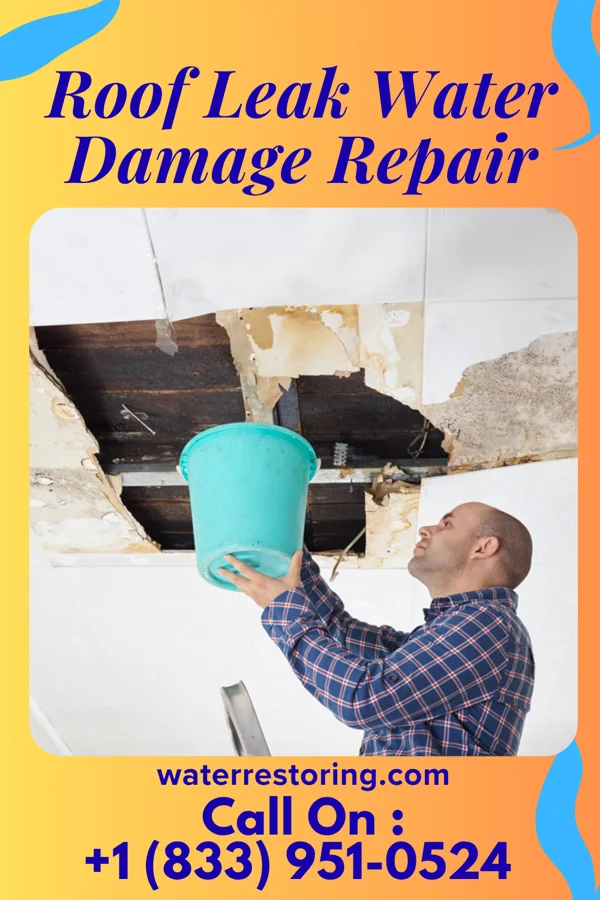
Roof Leak Damage in Tower Hill
Property owners across Tower Hill call certified water damage restoration when Tower Hill, Illinois experiences frequent thunderstorms and heavy rainfall, especially during the spring and summer months, which can lead to sudden roof leaks and water damage. The area's rural setting means that drainage can be slow, increasing the risk of water pooling on rooftops. These weather patterns are common in the region and require prompt attention to prevent long-term damage.. A close second is In the fall, Tower Hill is prone to strong winds and occasional heavy rain, which can cause damage to roofing materials and lead to leaks. Winter brings freezing temperatures that can cause ice dams on roofs, especially in older homes with inadequate insulation. These seasonal weather events are critical to monitor for timely roof maintenance..
The combination of heavy rainfall, strong winds, and temperature fluctuations in Tower Hill can lead to a variety of roof and water damage issues. Homes in this area often face challenges with water pooling, ice dams, and shingle deterioration. Understanding these local climate patterns helps us provide more effective and targeted repairs.
The combination of heavy rainfall, strong winds, and temperature fluctuations in Tower Hill can lead to a variety of roof and water damage issues. Homes in this area often face challenges with water pooling, ice dams, and shingle deterioration. Understanding these local climate patterns helps us provide more effective and targeted repairs. The dominant local driver is Tower Hill, Illinois experiences frequent thunderstorms and heavy rainfall, especially during the spring and summer months, which can lead to sudden roof leaks and water damage. The area's rural setting means that drainage can be slow, increasing the risk of water pooling on rooftops. These weather patterns are common in the region and require prompt attention to prevent long-term damage., with In the fall, Tower Hill is prone to strong winds and occasional heavy rain, which can cause damage to roofing materials and lead to leaks. Winter brings freezing temperatures that can cause ice dams on roofs, especially in older homes with inadequate insulation. These seasonal weather events are critical to monitor for timely roof maintenance. showing up as the next most common cause. Damage builds in stages. Spread. Absorption. Microbial growth. Structural compromise. Every stage you pass through adds to the final bill.